Roof Leaking Right Now? 7 Steps to Take Before a Roofer Arrives
Water coming through your ceiling in Newark? Here are the 7 steps to take right now to stop the leak, limit damage, and stay safe until a roofer arrives.
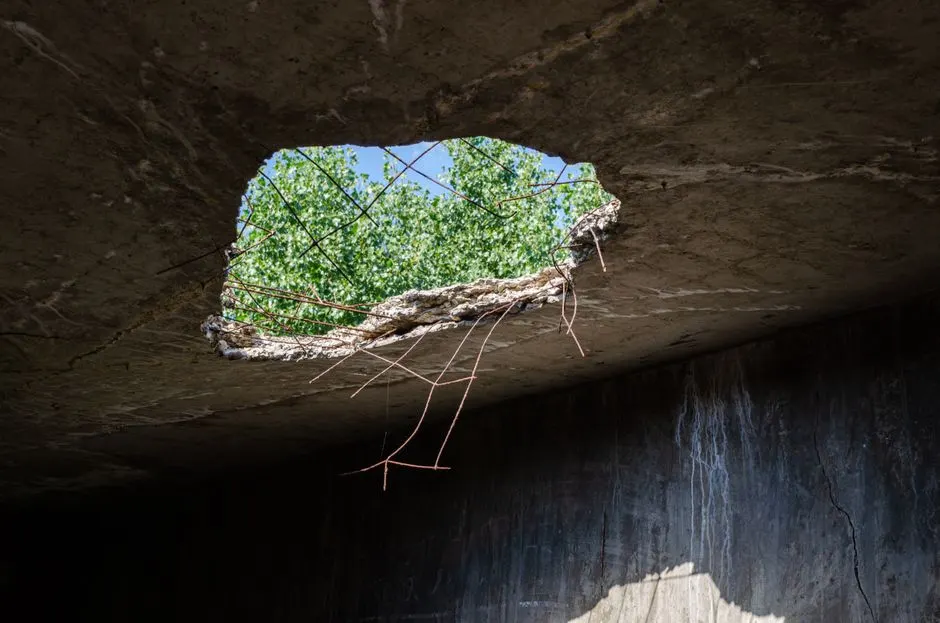
A roof leaking right now in Newark NJ means water is already inside your walls, ceiling, or attic - and the first thing you should do is get people and valuables out of the wet zone, then contain the water with buckets and towels. Do not climb onto the roof in the rain. The next 30 minutes matter more than the next 30 hours, because water spreads fast through plaster, insulation, and framing.
We have walked through hundreds of Newark homes after nor'easters, ice dams, and summer downpours, and the homeowners who follow a short checklist almost always spend less on repairs. Below are the 7 steps to take before a roofer arrives, plus what to watch out for and when to stop trying to DIY it.
Step 1: Protect People and Belongings First
Move children, pets, and anyone with mobility issues away from the leaking room before you do anything else. Water on a wood floor or tile turns a hallway into a slip hazard in seconds, and sagging ceiling drywall can drop without warning.
Grab electronics, documents, and anything upholstered and shift them to a dry room. If the leak is near a light fixture or outlet, keep everyone clear of that wall until you have cut power.
If you live in a multi-family building - common across Newark's Roof Repair in Ironbound and downtown corridors - knock on your neighbor's door. Water travels along joists, so their ceiling may be wet even if yours looks dry.
Step 2: Contain the Water Before It Spreads
Containment is the cheapest damage control you have. A $12 bucket and a stack of old towels will save hundreds in flooring and paint.
- Place buckets, pots, or plastic storage bins under every drip. Line them with a towel to muffle the sound and catch splash.
- Lay towels or a tarp on the floor around the drip zone. Ring out and replace as needed.
- If water is running down a wall, drape a towel from the top of the streak into a bucket so it wicks instead of soaking the drywall.
- Move area rugs immediately - wet backing stains hardwood within a few hours.
Do not poke a hole in a bulging ceiling yet. A sagging bubble of paint means water is trapped above the drywall. If it looks ready to burst, place a bucket underneath and pierce the lowest point with a small nail and a bucket directly below - but only if you can do it safely from a step stool, never from a ladder on wet flooring.
Step 3: Kill the Power to Wet Areas
Water and live wiring do not mix, and Newark's older housing stock has plenty of both. If water is anywhere near a ceiling fixture, ceiling fan, outlet, or switch, go to your breaker panel and shut off that circuit.
If you cannot tell which breaker controls the room, shut off the main. It is a 10-second inconvenience versus a real electrocution risk.
Once power is off, do not turn it back on until a licensed electrician or your roofer confirms the area is dry. We have seen ceiling fans short out two days after a leak because the homeowner flipped the breaker back too soon.
Step 4: Find the Source Without Getting on the Roof
You can trace most leaks from inside the house. Water almost never enters directly above the stain - it runs along a rafter, hits a joist, and drips somewhere else entirely.
Head to the attic with a flashlight and look for:
- Dark streaks or wet spots on the underside of roof sheathing
- Dripping from a specific rafter bay
- Stained or compressed insulation
- Daylight showing through a gap (a sign of missing flashing or a lifted shingle)
If the attic is unsafe - no floorboards, steep pitch, or standing water - stay out. Attic falls send more Newark homeowners to the ER during storms than roof falls do.
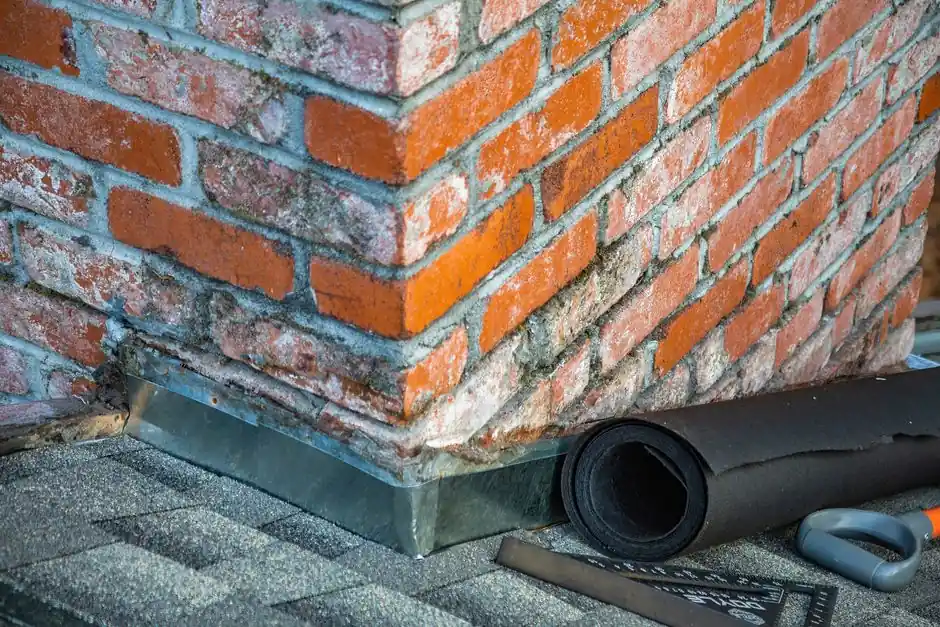
Common culprits we find in this area: failed chimney flashing on older homes, cracked pipe boots around plumbing vents, and ice-dam backup along the eaves after a February freeze. If your leak is coming through a flat roof section over a porch or addition, that is a different animal - see our page on Flat Roof Repair Newark NJ for what typically fails on those membranes.
Step 5: Stop the Leak Temporarily
You can slow or stop many leaks from inside without ever touching the roof. This is the part most homeowners skip, and it is the difference between a $400 repair and a $4,000 one.
- Roofing cement or sealant tape: If you can safely reach the leak point from the attic, apply a bead of roofing cement or butyl tape over the wet spot on the underside of the sheathing. It is a patch, not a fix, but it buys you days.
- Plastic sheeting: Staple a sheet of 6-mil plastic across the rafters above the leak zone to channel water into a bucket.
- Vaseline or plumber's putty around a pipe boot: If the leak is at a plumbing vent, a temporary smear can stop a slow drip.
- Wet/dry vacuum: For standing water in the attic, a wet/dry vac keeps the damage from spreading to insulation and ceiling drywall.
What you should not do: climb onto a wet roof to tarp it yourself. Every year we get calls from Newark homeowners who slipped on a wet shingle and ended up in the hospital. If you must tarp, wait for a dry window and use a professional-grade tarp secured with 2x4s - or let us do it.
Step 6: Document Everything for Your Claim
Your insurance adjuster will want photos, and the more you take now, the smoother the claim goes. Grab your phone and shoot:
- Wide shots of the room showing the leak and damage
- Close-ups of the ceiling stain, bubbling paint, or cracked drywall
- Photos of wet furniture, rugs, or electronics
- Any visible damage in the attic - wet sheathing, stained insulation, mold starting
- A video walking from the leak to the attic access, narrating what you see
Write down the date, time, and weather conditions. Most homeowner policies in New Jersey cover sudden storm damage but not long-term neglect, so the timeline matters. If your leak came from a storm, our team handles Storm Damage Roof Repair Newark NJ and can document the damage in a format adjusters accept.
Step 7: Call a Roofer and Stay Off the Roof
Once the water is contained and documented, call a roofer. In Newark, most emergency roofers can be on-site within 60 to 90 minutes during normal hours, and within 2 to 4 hours overnight or during a major storm event.
When you call, have this ready:
- Your address and cross street
- Where the water is coming in (room, ceiling, wall)
- Whether you have attic access
- Whether the leak started during a storm or gradually
- Photos you already took
If the leak is severe - water pouring in, ceiling sagging, or multiple rooms affected - say so on the phone. That moves you up the queue. Our Emergency Roof Repair Newark NJ line is staffed around the clock for exactly this situation.
What Should I Do If My Roof Is Leaking Right Now in Newark NJ?
If your roof is leaking right now in Newark NJ, contain the water first, cut power to wet areas, then call a roofer - do not climb onto the roof. The order matters because water damage compounds by the minute, and the most dangerous part of any roof leak is the electricity and the fall risk, not the water itself.
Most Newark homes we service are 60 to 120 years old, with original framing and layers of roofing that hide the actual failure point. That is why we never quote a repair over the phone without seeing the attic. A leak that looks like a $300 shingle repair is sometimes a $1,200 flashing rebuild - and sometimes the reverse.
Common Mistakes Newark Homeowners Make During a Roof Leak
The mistakes we see most often turn a manageable leak into a five-figure repair. Here is what to avoid.
Climbing onto the roof during or right after rain
Wet asphalt shingles are as slick as ice. One misstep is a hospital visit and a much bigger bill. Wait for a dry window or let a pro handle it.
Ignoring a slow drip
A drip every 30 seconds adds up to roughly 5 gallons a day. That water is soaking insulation, framing, and drywall the entire time.
Painting over the stain
Stain-blocking primer hides the evidence your roofer and your insurance adjuster both need. Fix the leak first, paint second.
Assuming the leak is directly above the stain
Water follows the path of least resistance. The entry point is often 6 to 10 feet away from where it drips inside.
Hiring the first person who knocks on your door after a storm
Storm-chasers move through Newark after every major nor'easter. Ask for a New Jersey license, a local address, and a written scope before anyone touches your roof.
When to Call a Professional
Call a professional the moment water is coming through a ceiling, running down a wall, or pooling in the attic - those are not DIY situations. We handle roof leak repair across Newark and the surrounding towns every week, and the calls that go best are the ones where the homeowner stopped the water, took photos, and then stepped back.
Our team at NJ Roof Repair Connect finds the entry point, repairs it, and tests the area before we leave. We give you a flat price before we start, and we tell you honestly if a repair will not hold and a replacement section makes more sense. If you are in one of the neighborhoods we cover daily - like Roof Repair in Forest Hill or the multi-family blocks near Weequahic - we can usually be there the same day.
One more thing: if you own a 2 to 4 family home, the repair math is different. Shared walls, multiple roof sections, and tenant damage claims all come into play. Our 2 to 4 Family Home Roof Repair Newark NJ service is built around that reality.
Frequently Asked Questions
What should I do if my roof is leaking right now in Newark NJ?
Move people and valuables out of the wet area, place buckets under the drip, and shut off power to any circuit near the water. Then call a roofer. Do not go on the roof in the rain. Containment and documentation in the first 30 minutes save the most money.
How do I stop a roof leak temporarily in Newark New Jersey?
From inside the attic, apply roofing cement or butyl tape over the wet sheathing, or staple 6-mil plastic across the rafters to channel water into a bucket. Both hold for 3 to 7 days. Never tarp a roof yourself in wet conditions - that is how people fall.
Who do I call for emergency roof leak in Newark NJ?
Call a licensed New Jersey roofing contractor that offers 24/7 emergency service. NJ Roof Repair Connect handles emergency roof leaks across Newark and nearby towns, with typical arrival times of 60 to 90 minutes during the day and 2 to 4 hours overnight.
Should I go in the attic during a roof leak in Newark?
Only if the attic has safe flooring, a stable ladder, and no standing water near wiring. If it is dark, steep, or wet, stay out. Attic falls during storms are a leading cause of homeowner injuries, and a roofer can trace the leak faster with a flashlight and moisture meter.
How long does it take for a roofer to arrive in Newark NJ?
For most Newark addresses, expect 60 to 90 minutes during business hours and 2 to 4 hours overnight or during a major storm. Severe leaks - water pouring in or a sagging ceiling - get priority. Call ahead so the dispatcher can flag your job as urgent.
Get Help with Roof Repair in Newark
If your roof is leaking right now, call us at +1 626-630-0000. We will tell you what to do while you wait, then send a roofer who knows Newark's housing stock and can stop the water today.